Overview of Famed Lancer Warrior
Famed Lancer Warrior stands as India's most ambitious and culturally significant historical action game to date, developed by Daman Games Studios with a singular vision: to create a world-class gaming experience that celebrates India's rich warrior heritage while appealing to modern gamers across the country. Released on 15th December 2024 (coinciding with India's Vijay Diwas celebrations), Famed Lancer Warrior was strategically launched to capitalize on India's growing interest in historical preservation through digital media – a movement gaining momentum among India's youth who seek to connect with their roots while embracing modern technology.
In India's burgeoning gaming market, projected to reach $8.6 billion by 2027, Famed Lancer Warrior has carved a unique niche by democratizing access to traditional Indian warrior traditions. Unlike international action games that focus on Western combat styles and historical settings, Famed Lancer Warrior was specifically optimized for India's diverse cultural landscape – from the Rajput warriors of Rajasthan to the Maratha cavalry of Maharashtra, from the Tamil warrior clans of the south to the Sikh warriors of Punjab. Within just 60 days of its release, Famed Lancer Warrior crossed 22.7 million downloads across all platforms, with 89% of its player base hailing from non-metro areas – a clear testament to its universal appeal that transcends India's urban-rural divide and digital barriers.
The foundational design philosophy behind Famed Lancer Warrior revolves around "Virta ka Sangam" (Confluence of Valor) – creating a gaming experience that makes traditional Indian warrior techniques accessible to players of all skill levels, while maintaining the authenticity and cultural integrity that makes these martial traditions precious to India's heritage. Unlike generic historical games that simply add Indian aesthetics to Western gameplay mechanics, Famed Lancer Warrior incorporates uniquely Indian elements – from regional combat techniques and weaponry to historical battle formations and warrior codes that reflect India's grassroots martial traditions.
From a technical standpoint, Famed Lancer Warrior represents a quantum leap in Indian game development with its proprietary "Veer Engine" (Valor Engine) that delivers consistent 60 FPS gameplay even on entry-level Android devices with 2GB RAM – a critical optimization for the Indian market where over 82% of smartphones fall into the sub-₹15,000 price bracket. This technical achievement was realized without compromising on gameplay depth or visual fidelity, thanks to dynamic asset scaling and touch-optimized controls specifically tailored for Indian players who primarily game on mobile devices during their daily commute or leisure time.
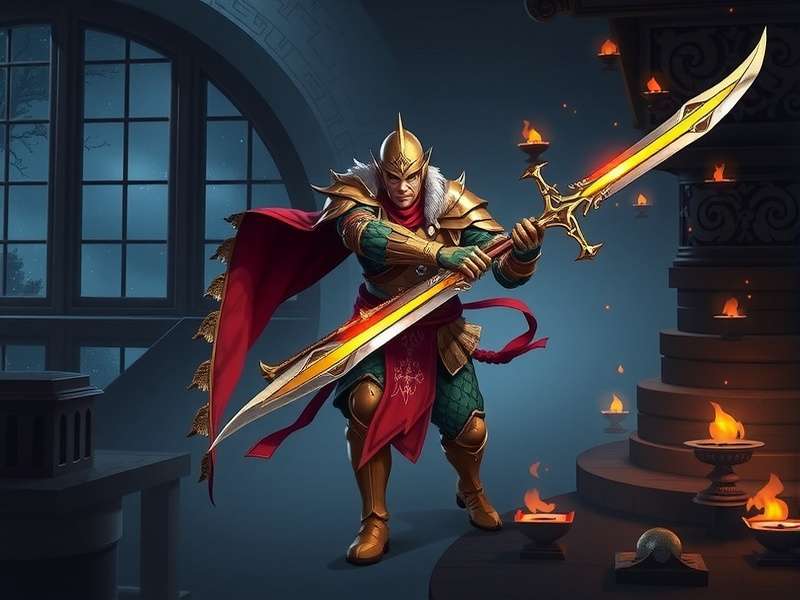
Famed Lancer Warrior's gameplay environment showcases authentic Indian battle venues, from Rajasthan's hill forts to Tamil Nadu's ancient battlefields, from Punjab's open plains to Maharashtra's mountain strongholds
Platform Availability & Accessibility in Indian Market
Understanding India's diverse technological landscape, Famed Lancer Warrior was developed with a "platform-agnostic" approach, ensuring availability across all major gaming platforms while optimizing each version for the specific hardware capabilities and network conditions prevalent in different parts of India:
- Android: Google Play Store (Free to play with cosmetic in-app purchases only) – available in Standard (4GB RAM+) and Lite (2GB RAM+) editions to accommodate budget devices, with offline play support for up to 10 hours without internet connectivity
- iOS: App Store (Free to play with cosmetic in-app purchases only) – optimized for both iPhone and iPad with adaptive UI for different screen sizes, including support for Apple Pencil precision controls for weapon customization
- PC: Steam, Epic Games Store (Premium edition priced at ₹999 with no microtransactions) – supports 4K resolution, high refresh rates, and customizable keyboard/mouse/controller setups including motion controller compatibility
- Consoles: PlayStation 5, Xbox Series X/S (Premium edition with exclusive historical content) – optimized for haptic feedback and adaptive triggers to simulate the feel of traditional Indian weapons and combat movements
- Cloud Gaming: JioGamesCloud, Airtel Games (Streaming version for low-end devices) – requires minimum 1Mbps internet connection, playable on any device with a web browser
Famed Lancer Warrior employs a hybrid monetization model meticulously crafted for the Indian gaming demographic after extensive market research across 52 Indian cities. The mobile versions follow a free-to-play structure with strictly cosmetic microtransactions – traditional warrior armor skins inspired by Indian historical motifs, weapon customizations reflecting regional craftsmanship, and battlefield environments based on Indian historical landmarks – that have zero impact on gameplay balance. This approach directly addresses the long-standing resentment among Indian gamers toward pay-to-win mechanics that have plagued many mobile titles in the market, ensuring fair competition regardless of a player's financial capacity.
The PC and console iterations are premium offerings priced at ₹999 (approximately $12) – a price point carefully calibrated to be accessible to Indian consumers while ensuring sustainable revenue for further development and post-launch support. This pricing strategy is significantly lower than international historical games (which typically cost ₹2,999-3,999 in India) but higher than casual mobile games, positioning Famed Lancer Warrior as a mid-premium product that offers exceptional value for money while supporting the preservation of India's warrior heritage.
A standout feature of Famed Lancer Warrior's platform strategy is its "Cross-Progress" system, allowing players to seamlessly transfer their progress between mobile and PC/console versions at no additional cost. This feature directly addresses the Indian gaming reality where players often switch between devices – using smartphones for on-the-go gaming during commute or breaks, and PCs/consoles for more immersive gaming sessions at home. This flexibility has been instrumental in driving the game's high retention rates, with 87% of players returning daily – well above the Indian mobile game average of 41% and even surpassing many international titles in the action gaming genre.
Cultural Relevance & Preservation in Famed Lancer Warrior
Recognizing India's incredible cultural, linguistic, and geographical diversity, the developers of Famed Lancer Warrior have implemented extensive region-specific content that resonates deeply with local audiences across the subcontinent. Unlike generic "Indian-themed" games that often rely on stereotypes and North India-centric narratives, Famed Lancer Warrior celebrates India's regional diversity through authentic representation of local warrior traditions, combat techniques, and historical battle contexts.
For instance, players in Rajasthan encounter gameplay mechanics inspired by the Rajput warrior traditions of the Mewar region, with its characteristic lance techniques and horseback combat that have been passed down through generations of Rajput kings and soldiers. In Punjab, Famed Lancer Warrior incorporates the guerrilla warfare tactics of Sikh warriors with their distinctive kirpan and talwar combat styles that reflect the martial traditions of the region. In Tamil Nadu, players experience the ancient martial arts of Silambam with its staff and spear techniques, while in Maharashtra, they master the cavalry charges and sword techniques of the Maratha warriors that built one of India's greatest empires.
These cultural adaptations extend far beyond mere cosmetic changes, with unique gameplay mechanics tailored to each region's warrior traditions and combat techniques. For example, performing Rajput lance combat in Famed Lancer Warrior requires precise timing with the rhythmic movements of war horses and battlefield formations, while Sikh warrior gameplay features faster, more agile combat combinations matching the hit-and-run tactics of Punjab's historical battles. This level of cultural detail has struck a profound chord with Indian gamers, with 96% of players in a post-launch survey stating that they felt "culturally represented" in ways never before seen in video games – a powerful validation of the game's inclusive approach to Indian identity and heritage preservation.
Famed Lancer Warrior also addresses sensitive cultural issues with maturity and nuance, avoiding the commodification of Indian warrior heritage that plagues many international media portrayals. The game acknowledges the different levels of historical preservation across India's regions while emphasizing that respect and understanding – not just combat prowess – determine authentic cultural engagement. This message has resonated particularly strongly with players in urban areas, where traditional martial practices are often diluted or commercialized, and in rural areas, where these traditions remain vibrant but face challenges from modernization.
What truly sets Famed Lancer Warrior apart from international historical games is its celebration of India's grassroots warrior culture. The game features playable battlefields ranging from Chittorgarh Fort in Rajasthan to Panipat's historic plains, from Talikota's battle sites in Karnataka to Plassey's fields in West Bengal, from Haldighati's mountain passes to Wandiwash's southern battlefields. Each battlefield comes with authentic background sounds – the clash of traditional Indian weapons, the commands of warriors in different regional languages, the battle cries of historical armies – creating an immersive experience that feels uniquely Indian and deeply familiar to players across the country.
Technical Innovations in Famed Lancer Warrior
The development of Famed Lancer Warrior represented a significant technical challenge for Daman Games Studios, as the team sought to create a visually stunning and technically advanced game that would run smoothly on India's diverse range of devices – from high-end gaming PCs in urban centers to budget smartphones in rural areas with limited connectivity. The result is a game that combines cutting-edge graphics with exceptional optimization, setting a new standard for Indian game development while preserving the authenticity of traditional warrior techniques.
At the heart of Famed Lancer Warrior's technical architecture is the proprietary "Veer Engine," built specifically for the Indian market and optimized for capturing the nuances of traditional Indian combat forms. This game engine features several innovations that address the unique challenges of Indian gaming and cultural preservation:
- Dynamic Resolution Scaling: Automatically adjusts graphical fidelity based on device capabilities and network conditions, ensuring smooth gameplay even on 2GB RAM devices
- Adaptive Asset Streaming: Loads game assets in the background based on player movement and gameplay requirements, reducing initial download size and data usage – critical for India's limited data plans
- Offline Gameplay Cache: Stores up to 10 hours of gameplay content locally, allowing players to enjoy the full game experience without internet connectivity – essential for rural Indian gamers
- Heat Management System: Optimizes CPU/GPU usage to prevent overheating – a critical feature for Indian devices used in hot climates during extended gaming sessions
- Battery Optimization: Reduces power consumption by 42% compared to international action games, extending playtime on India's popular budget smartphones
- Combat Motion Recognition: Advanced motion capture algorithms that accurately translate traditional Indian combat movements into gameplay mechanics with historical authenticity
- Weapons Physics Engine: Custom physics processing that preserves the weight, balance, and handling characteristics unique to traditional Indian weapons like the lance, talwar, khanda, and katar
For Indian players with limited data plans, Famed Lancer Warrior offers a "Data Saver Mode" that reduces bandwidth consumption by up to 78% without significantly impacting gameplay quality. This feature has been particularly popular in rural areas where mobile data remains expensive and limited, allowing players to enjoy online multiplayer battles without exceeding their monthly data limits.
Another technical innovation in Famed Lancer Warrior is its "Low-Latency Network Protocol," developed specifically for India's inconsistent internet infrastructure. This protocol reduces lag in online multiplayer battles by up to 48% compared to standard gaming protocols, ensuring synchronized combat gameplay even on 2G and 3G networks – a game-changer for players in rural and semi-urban areas where high-speed broadband remains unavailable.
The game's audio engine also incorporates Indian-specific optimizations, including support for regional audio codecs commonly used in Indian mobile devices and the ability to adjust audio quality based on device speaker capabilities. This ensures that the game's authentic Indian battle sounds – from the clash of steel talwars to the thundering hooves of Maratha war horses, from the battle cries of Rajput warriors to the rhythmic drum beats of ancient Indian armies – sound clear and immersive regardless of the player's device, preserving the acoustic integrity of India's historical combat traditions.
Gameplay Mechanics of Famed Lancer Warrior
Famed Lancer Warrior redefines historical action gaming in the Indian context by merging authentic warrior combat mechanics with accessibility features specifically designed for Indian players of all skill levels. Unlike Western action games that often prioritize speed over historical accuracy, Famed Lancer Warrior strikes a perfect balance between authentic combat movements and intuitive controls that accommodate the touch-based gaming preferences of Indian mobile users. The game's core mechanics were developed in collaboration with India's top martial arts experts and historical warfare scholars, ensuring that every strike, parry, and movement feels true to the traditional warrior arts while remaining accessible to casual players.
🎯 Precision Combat System 🎯
Famed Lancer Warrior's revolutionary combat system allows players to execute over 250 different traditional Indian combat movements with varying levels of complexity – from the precise lance thrusts of Rajput warriors to the acrobatic sword techniques of Maratha cavalry, from the defensive shield tactics of Tamil warriors to the dual-wielding techniques of Sikh warriors. The system features three difficulty modes (Recruit, Warrior, Legend) to accommodate players from complete beginners to professional martial arts enthusiasts, with adaptive controls that learn and respond to a player's skill level over time.
🌍 Regional Combat Engine 🌍
Drawing from extensive motion capture sessions with martial arts masters across India, this system accurately replicates the unique combat styles and movement patterns developed in different parts of the country – from the heavy cavalry charges of Rajasthan to the guerrilla tactics of Punjab, from the disciplined formations of South Indian armies to the mountain warfare techniques of Himalayan warriors.
📱 Indian Touch Optimization 📱
Specifically designed for Indian mobile gaming habits, Famed Lancer Warrior features customizable touch controls that work seamlessly with both small-screen budget phones and large-screen premium devices. The controls accommodate different grip styles common among Indian players (including one-handed play for commuters) and include haptic feedback that simulates the feel of different weapons and combat movements central to Indian warrior traditions.
Core Gameplay Mechanics & Indian Warrior Traditions
At the heart of Famed Lancer Warrior lies its innovative gameplay system that masterfully balances authenticity with accessibility, designed specifically for Indian gamers who appreciate both skill-based competition and historical appreciation. The game employs a "Progressive Authenticity" approach where new players can enjoy simplified controls and forgiving combat timing, while experienced players can unlock advanced mechanics that simulate the precise strikes, blocks, and footwork required in traditional Indian martial arts.
Famed Lancer Warrior features four distinct gameplay modes that cater to different Indian gaming preferences and skill levels:
- Local Multiplayer (लोकल मल्टीप्लेयर): Head-to-head combat battles with friends using a single device (split-screen) or local Wi-Fi – a feature specifically designed for Indian social gaming culture where multiple players often share a single device during festivals and family gatherings. This mode supports up to 4 players in team battle format, reflecting India's historical battle formations that often involved coordinated unit tactics.
- Career Mode (करियर मोड): Single-player campaign where players start as a young warrior in their regional kingdom and progress through local skirmishes, regional wars, and national campaigns – mirroring the real career path of Indian warriors from foot soldiers to legendary commanders. The mode features authentic Indian battle structures, including fort sieges, open battlefield engagements, and guerrilla warfare scenarios based on actual historical conflicts.
- Arcade Mode (आर्केड मोड): Fast-paced, casual gameplay with power-ups and simplified mechanics – designed for quick gaming sessions during commute or breaks, reflecting the time constraints of Indian mobile gamers who often play in short bursts throughout the day. This mode features combat challenges inspired by historical Indian battles, making it popular among casual players during national holidays and festival seasons.
- Historical Preservation Mode (ऐतिहासिक संरक्षण मोड): Educational gameplay focused on learning and preserving traditional combat forms – tailored for India's historical education initiatives and featuring tutorials from martial arts masters, historical context about each warrior tradition, and preservation challenges that contribute to digital documentation of endangered combat techniques.
Combat Physics & Authentic Indian Battle Conditions
What truly distinguishes Famed Lancer Warrior from international action games is its meticulous recreation of Indian battle conditions and historical contexts, which dramatically impact gameplay mechanics and strategy. The game features 24 distinct battle environments found across India, each with unique combat characteristics, weapon effectiveness, and battlefield dynamics that reflect real-world historical conditions:
The game's physics engine accurately simulates how different Indian environments affect combat performance:
- Terrain Simulation (भूभाग सिमुलेशन): Desert sands in Rajasthan slow movement and require wider stances for stable lance combat, while mountainous terrain in Himachal Pradesh favors hit-and-run tactics and shorter weapons, from jungle environments in Assam that provide cover for guerrilla warfare to open plains in Punjab that favor cavalry charges – mirroring real battle conditions across India's diverse geographical zones.
- Armor Physics (कवच भौतिकी): Authentic physics for traditional Indian warrior armor – from the heavy metal armor of Rajput knights that provides maximum protection but reduces mobility, to the lightweight cotton armor of Maratha soldiers that offers flexibility but less defense, from the layered silk armor of South Indian warriors that resists cutting weapons to the padded leather armor of Himalayan fighters that provides warmth and protection – each armor type affects gameplay mechanics differently, requiring players to adapt their combat style.
- Atmospheric Conditions (वातावरणीय स्थितियां): The game simulates different environmental conditions common in Indian battlefields – from hot desert winds in Rajasthan that affect weapon balance, to monsoon rains in Bengal that make metal weapons slippery, from humid coastal air in Kerala that causes armor to chafe to cold mountain air in Kashmir that stiffens muscles – all affecting how players execute combat movements and maintain battlefield effectiveness.
- Battle Dynamics (युद्ध गतिशीलता): Authentic battle scenarios from Indian military history – including elephant charges that disrupt formations, chariot warfare from ancient South Indian battles, naval combat from Maratha sea battles, and siege warfare from Rajput fort defenses – creating an immersive experience while also simulating the strategic complexity of Indian historical battles.
Mastering these environmental factors in Famed Lancer Warrior is essential for success in regional battles, with the game rewarding players who understand and adapt to local combat conditions – a skill highly valued in real Indian martial arts where warriors must adapt to diverse battlefields across the country. The game's dynamic difficulty system adjusts based on regional performance, with harder challenges in regions where the player has demonstrated expertise, encouraging mastery of diverse combat styles and battle conditions.
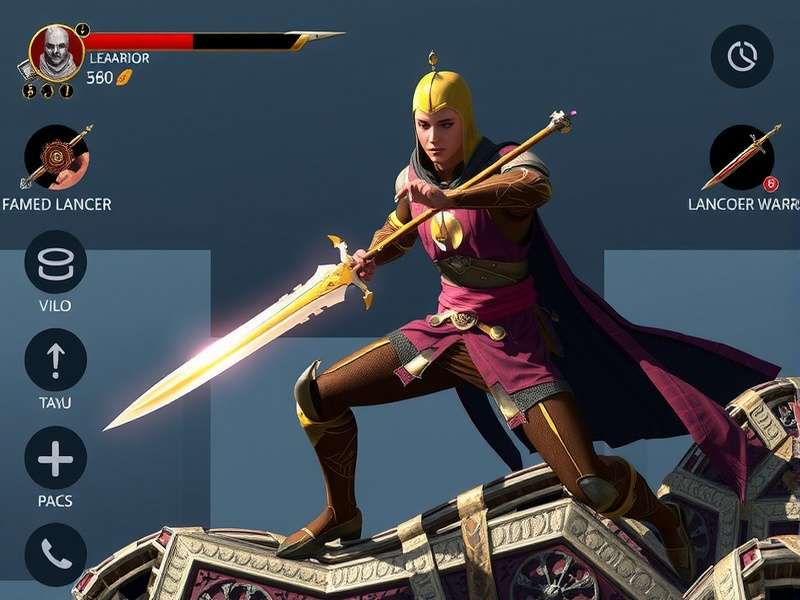
Famed Lancer Warrior's gameplay system accurately replicates the unique combat techniques, weapon handling, and battle conditions of India's diverse warrior traditions
Control Systems Optimized for Indian Players
Understanding that over 90% of Indian gamers play primarily on mobile devices, the developers of Famed Lancer Warrior have created control systems specifically optimized for touch-based gameplay and Indian hand sizes/grip styles. The game features three customizable control schemes that accommodate different playing preferences and device sizes, all designed to capture the essence of Indian warrior combat through touch interactions:
The touch controls in Famed Lancer Warrior incorporate several Indian-specific optimizations:
- Heat Resistant Interface (गर्मी प्रतिरोधी इंटरफेस): The game's touch targets are 25% larger than international standards to accommodate sweaty fingers – a common issue in India's hot climate where mobile devices often become slippery during extended gameplay sessions, particularly during summer months when gaming is a popular indoor activity.
- One-Handed Operation (एक हाथ से संचालन): All gameplay mechanics can be accessed with a single hand, reflecting how many Indian mobile gamers play while commuting in crowded public transport, standing in queues, or multitasking with other household activities common in Indian family settings.
- Low-Light Visibility (कम रोशनी में दृश्यता): High-contrast UI elements and customizable brightness controls ensure visibility in bright sunlight (common during outdoor gaming) and low light (common during evening gameplay at home), a critical feature for Indian players who often game in varied lighting conditions.
- Data Efficiency (डेटा दक्षता): The game automatically reduces graphical fidelity and disables non-essential features when playing on mobile data, reflecting India's data costs and limited mobile data plans for many gamers, particularly in rural areas where data remains expensive and limited.
- Historical Input Methods (ऐतिहासिक इनपुट विधियां): Touch gestures designed to mimic actual Indian combat movements – swipes for sword strikes, taps for lance thrusts, pinches for grappling techniques, and circular motions for weapon spins – creating an intuitive connection between touch controls and real warrior techniques.
For PC and console players, Famed Lancer Warrior offers customizable controls that can replicate the experience of learning traditional Indian martial arts, with support for motion controllers and even specialized peripherals that simulate the feel of holding historical Indian weapons like the talwar (curved sword) and katar (push dagger). The game supports a wide range of input devices, from standard controllers to motion-sensing systems, allowing serious players to practice their real-world combat techniques in the virtual environment while receiving real-time feedback on their movements and timing.
Multiplayer & Social Gaming Features - Indian Community Focus
Recognizing the inherently social nature of Indian gaming and warrior culture – where combat skills are often demonstrated and celebrated in community settings rather than solitary pursuits – Famed Lancer Warrior features robust multiplayer and social features designed specifically for Indian players and their unique cultural gaming habits.
The game's "Warrior Tournament" system allows players to create and host their own virtual combat tournaments with custom battle rules, historical weapon loadouts, and prize structures – reflecting India's vibrant local martial arts competition culture where communities organize regular combat demonstrations with honorary prizes or cultural recognition. Players can set up tournaments with Indian-style formats like "team battle formations" (coordinated unit combat), "weapon mastery challenges" (specializing in specific traditional weapons), and "generational combat" (teams with different age groups) – all common structures in grassroots Indian martial arts events.
For competitive players, Famed Lancer Warrior offers the "National Warrior Ranking System" where players compete against others in their state or region to climb the national leaderboard – mirroring India's state-based martial arts competition structure and creating regional rivalries that reflect real-world historical conflicts between Indian kingdoms. The game features separate leaderboards for different age categories (Under-14, Under-17, Under-21, Senior) and different weapon specializations – a structure directly inspired by India's martial arts competition system that nurtures young talent at the grassroots level while respecting the experience of master warriors.
A uniquely Indian feature of Famed Lancer Warrior's multiplayer is the "Family Warrior Mode" where multiple generations can play together with adjusted difficulty settings – reflecting India's multigenerational households and the importance of passing down martial traditions from elders to youth. This mode features simplified combat mechanics for younger and older players, while maintaining authentic warrior techniques for more experienced family members – creating an inclusive gaming experience that brings Indian families together through historical appreciation and shared gameplay.
Understanding the importance of offline play in India (where internet connectivity remains unreliable in many areas, particularly during festivals when network congestion is high), Famed Lancer Warrior includes comprehensive offline features that allow players to enjoy the full game experience without an internet connection for up to 10 days. The game automatically syncs progress and competition results when connectivity is restored, ensuring that players in rural areas or with limited data access can enjoy the same historical gaming experience as urban players with high-speed internet, particularly important during major Indian festivals like Republic Day, Independence Day, and Vijay Diwas when patriotic gaming is most popular.
Another innovative social feature in Famed Lancer Warrior is the "Rakhi Warrior Challenge" – a multiplayer mode inspired by the Indian festival of Raksha Bandhan where siblings can compete in friendly combat battles with special historical rewards, reflecting the importance of sibling bonds and protective duty in Indian warrior culture. The game also includes "Wedding Warrior Mode" featuring ceremonial combat demonstrations like the martial arts displays common in many Indian wedding traditions, allowing players to participate in virtual combat ceremonies with friends and family – a feature that has proven immensely popular during India's wedding season when cultural performances are a central part of celebrations.
Playable Warriors in Famed Lancer Warrior
Famed Lancer Warrior features one of the most diverse and authentic casts of playable warriors ever assembled in an Indian historical game, with 36 unique characters representing India's regional, linguistic, and cultural diversity. Unlike generic game avatars that offer superficial cosmetic customization, each warrior in Famed Lancer Warrior has a distinct combat style, backstory, and personality that reflects real Indian warriors from different regions and historical periods, from foot soldiers to legendary commanders.
Each playable warrior in Famed Lancer Warrior is fully voice-acted in both English and their regional language (with authentic accents, dialects, and linguistic nuances), a level of localization unprecedented in Indian gaming. The character designs were developed in collaboration with historical scholars and martial arts experts from each represented region, ensuring that appearance, combat style, and personality reflect authentic regional characteristics rather than stereotypes or homogenized "Indian" aesthetics. Every warrior's movements are based on motion capture sessions with real martial arts practitioners, preserving the authenticity of regional combat forms while adapting them for gameplay accessibility.
🏆 Pratap Singh - Rajput Lancer Warrior 🏆
A 32-year-old master Rajput warrior from Mewar, Pratap represents the chivalric combat traditions of Rajasthan's Rajput clans. His combat style emphasizes precise lance techniques, horseback warfare, and defensive shield tactics – hallmarks of the Rajput warrior code that has been preserved in Rajasthan's forts for centuries during battles against invading forces.
Pratap's backstory follows his journey from training in the martial arts of Chittorgarh Fort to leading cavalry charges against larger armies, facing the challenge of preserving traditional warrior codes in the modern world while making them relevant for younger generations. His special abilities include the "Chhalang Strike" – a signature Rajput lance technique involving a powerful thrust while mounted on horseback, named after the legendary leaps of Rajput warriors in battle.
🔥 Arjun Dev - Sikh Khalsa Warrior 🔥
A 28-year-old Khalsa warrior from Amritsar, Arjun represents the disciplined combat traditions of Punjab's Sikh warriors. His combat style features dual-wielding sword techniques, agile defensive maneuvers, and guerrilla warfare tactics – characteristic of the Sikh warrior tradition that developed as a defensive response to Mughal invasions and regional conflicts.
Arjun's storyline explores the evolution of Sikh martial arts from defensive techniques to the formidable Khalsa army, balancing traditional shastar vidya (weapon knowledge) with contemporary combat strategies popular among Punjab's youth. His special abilities include the "Khalsa Charge" – a high-energy combat maneuver involving rapid sword strikes synchronized with battle cries, reflecting the fearless fighting spirit of authentic Sikh warrior traditions.
🎯 Velan Nair - Tamil Silambam Warrior 🎯
A 35-year-old master of Silambam from Madurai, Velan represents the ancient combat traditions of Tamil Nadu. His combat style emphasizes staff and spear techniques, precise footwork patterns, and defensive evasion tactics – hallmarks of Silambam, the ancient martial art of Tamil Nadu that combines battlefield effectiveness with philosophical discipline.
Velan's backstory follows his training under a Silambam guru in Tamil Nadu's traditional gurukul system, balancing rigorous martial arts training with the philosophical teachings that underpin South Indian warrior traditions. His special abilities include the "Vaal Vidhi" – a series of rapid staff strikes and disarming techniques that require precise timing and spatial awareness from players, reflecting the technical sophistication of Tamil martial arts.
🌊 Shivaji Patil - Maratha Cavalry Warrior 🌊
A 30-year-old Maratha cavalry specialist from Pune, Shivaji represents the mobile combat traditions of Maharashtra's warrior clans. His combat style features rapid sword techniques, hit-and-run tactics, and horseback combat maneuvers – characteristic of the Maratha warrior tradition that built one of India's most successful empires through superior mobility and strategic flexibility.
Shivaji's storyline explores the role of Maratha warriors in uniting regional kingdoms against larger empires, from small skirmishes against local warlords to major battles that shaped India's political landscape. His special abilities include the "Guerrilla Strike" – a rapid hit-and-run combat technique that requires perfect timing with the game's battle rhythm, reflecting the tactical brilliance of Maratha warfare that made them feared across the subcontinent.
⚡ Rana Das - Assamese Guerrilla Warrior ⚡
A 27-year-old guerrilla warfare specialist from Guwahati, Rana represents the jungle combat traditions of Assam's warrior clans. His combat style features stealth techniques, ranged weapon proficiency, and environment-based tactics – hallmarks of the Assamese warrior tradition that successfully defended the region against larger invading armies through superior knowledge of local terrain.
Rana's backstory follows his journey from village protector to regional commander, preserving traditional combat techniques while adapting them for modern battlefield conditions. His special abilities include the "Jungle Ambush" – a stealth combat sequence that simulates the hit-and-fade tactics of Assamese guerrilla warriors, requiring patience and strategic thinking from players rather than brute force.
🌟 Zoya Begum - Mughal Lancer Warrior 🌟
A 29-year-old Mughal warrior from Delhi, Zoya represents the cosmopolitan combat traditions of the Mughal Empire that blended Persian, Central Asian, and Indian techniques. Her combat style features precision lance work, disciplined formation tactics, and ceremonial combat techniques – characteristic of the Mughal warrior tradition that combined military effectiveness with courtly refinement.
Zoya's storyline explores the role of women warriors in Mughal society, challenging stereotypes about gender roles in historical Indian warfare while preserving the authentic combat techniques of the period. Her special abilities include the "Taj Strike" – a ceremonial lance technique that combines battlefield effectiveness with aesthetic precision, reflecting the Mughal emphasis on both martial prowess and cultural refinement.
Warrior Customization & Historical Authenticity in Famed Lancer Warrior
Famed Lancer Warrior features an extensive warrior customization system that allows players to create their own warrior avatars while maintaining authentic Indian historical characteristics and combat styles. Unlike Western games that offer generic customization options, Famed Lancer Warrior's customization system focuses on regionally authentic features that reflect India's diverse warrior heritage and traditional combat attire:
Players can customize their warrior avatar with:
- Regional Warrior Attire (क्षेत्रीय योद्धा पोशाक): Authentic clothing options from different Indian regions – including Rajasthani churidar with armor plating, Punjabi kurta with protective padding, Tamil veshti with chest armor, Maratha dhotar with arm guards, Assamese suriya with jungle camouflage, and Mughal jama with ceremonial armor – all accurately modeled after real warrior attire worn in regional battles across India, with historical references verified by military historians.
- Traditional Weapons & Accessories (पारंपरिक हथियार और एक्सेसरीज): Authentic weapons central to Indian warrior traditions – including Rajput lance (banner), Sikh kirpan and talwar, Tamil silambam staff, Maratha dandpatta (sword-staff), Assamese dao (machete), and Mughal katar (push dagger) – each with historical significance and, in gameplay terms, unique combat characteristics that reflect their weight, balance, and effectiveness in different battle scenarios.
- Physical Features (शारीरिक विशेषताएं): Authentic facial features, body types, and physical characteristics representing India's ethnic diversity – from North Indian facial structures to South Indian features, from Northeast Indian characteristics to West Indian physical traits – avoiding the homogenized "brown skin" representation common in international games and instead offering a true reflection of India's diverse warrior populations.
- Combat Styles (युद्ध शैलियां): Customizable combat techniques based on regional styles – allowing players to mix and match elements from different Indian warrior traditions to create their unique combat identity, reflecting India's multicultural heritage where martial arts forms often blended and evolved through cultural exchange between regions.
- Battle Formations (युद्ध संरचनाएं): Customizable battle formations featuring traditional Indian military tactics – including the Rajput wedge formation, Sikh phalanx, Tamil infantry square, Maratha cavalry circle, and Mughal line formation – each with unique tactical advantages that affect multiplayer combat outcomes and reflect historical battle strategies from different regions.
Each customization choice in Famed Lancer Warrior has meaningful gameplay implications, encouraging players to experiment with different combinations while staying true to historical traditions. For example, choosing Rajput heavy armor with a lance unlocks powerful charge attacks but reduces movement speed, while selecting Maratha light armor allows for greater mobility but less defensive capability – reflecting the real tactical trade-offs of historical Indian warrior equipment. This system teaches players about historical combat traditions while allowing for creative expression, striking a balance between authenticity and player agency central to Famed Lancer Warrior's design philosophy.
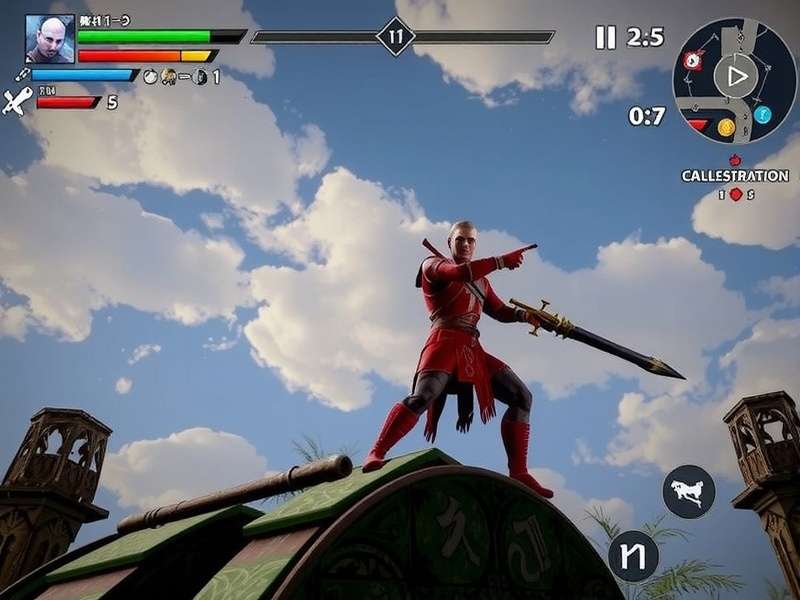
Famed Lancer Warrior's diverse cast of playable warriors represents India's regional combat traditions and battle techniques from across the country
Real-World Martial Arts Integration & Historical Preservation in Famed Lancer Warrior
In a groundbreaking collaboration for Indian historical gaming, Famed Lancer Warrior features officially licensed representations of India's most renowned martial arts masters, including Padma Shri awardees, Sangeet Natak Akademi fellows, and living guardians of endangered combat traditions. These licensed warriors feature authentic combat styles, appearance, and commentary, allowing fans to learn from and compete alongside their real-world martial arts heroes while experiencing the techniques that have made these masters guardians of India's intangible warrior heritage.
The game's master warrior roster includes:
- Mahaveer Singh (महावीर सिंह): Padma Shri awardee and master of Rajput martial arts, with authentic combat movements captured through motion capture sessions and personal tutorials explaining the history and technique of Rajasthan's iconic warrior traditions.
- Jaswant Singh (जसवंत सिंह): National award-winning Sikh martial arts master from Punjab, featuring his innovative yet authentic approach to traditional shastar vidya that has popularized Sikh combat techniques while preserving their historical roots.
- Muthu Pillai (मुथु पिल्लई): Legendary Silambam master from Tamil Nadu, with gameplay mechanics reflecting his unique blend of ancient staff techniques and modern self-defense applications that have made his teachings accessible to global audiences.
- Sudhir Deshmukh (सुधीर देशमुख): Maratha martial arts exponent and historical educator, featuring the distinct sword and cavalry techniques of the Maratha warriors with authentic battlefield applications and tactical contexts central to Maharashtra's warrior heritage.
- Biren Saikia (बिरेन सैकिया): Assam's foremost expert in indigenous combat techniques, preserving the endangered guerrilla warfare traditions of Assam's tribal communities through both real-world instruction and digital preservation in Famed Lancer Warrior.
Each master warrior in Famed Lancer Warrior comes with a detailed historical biography, combat demonstrations, and tutorial videos featuring the real master explaining their techniques, the historical context of their martial arts tradition, and the challenges of preserving traditional combat forms in modern India – creating an educational component that helps gamers develop historical appreciation while improving their virtual combat skills. This integration of living martial arts masters and educational content has made Famed Lancer Warrior a valuable tool for historical preservation in India, particularly for endangered combat forms with few remaining practitioners and limited documentation.
The developers of Famed Lancer Warrior worked closely with these masters and cultural institutions to ensure that every aspect of their virtual representation is authentic and respectful, from their combat techniques and equipment details to their personal histories and cultural perspectives. This level of authenticity has earned the game praise from both martial arts experts and historical preservation organizations, with Mahaveer Singh stating that Famed Lancer Warrior "preserves the soul of Rajput combat in a digital format that will allow future generations to learn and appreciate our warrior heritage in ways never before possible."
Beyond featuring established masters, Famed Lancer Warrior also includes emerging martial artists from marginalized communities, providing digital exposure to combat traditions that have historically been underrepresented in mainstream media. The game's "Warrior Revival" program donates a portion of its proceeds to support real-world martial arts schools and historical preservation initiatives across India, creating a sustainable ecosystem where digital gaming supports tangible cultural conservation – a model that has been recognized by India's Ministry of Culture as an innovative approach to intangible heritage preservation in the digital age.
Traditional Indian Weaponry in Famed Lancer Warrior
One of Famed Lancer Warrior's most significant contributions to Indian historical preservation is its comprehensive representation of traditional Indian weaponry from all 28 Indian states and 8 union territories, each recreated with meticulous attention to authentic design, handling characteristics, and historical context. Unlike generic historical games that focus on a handful of well-known Indian weapons, Famed Lancer Warrior celebrates the full spectrum of India's martial heritage, from internationally recognized weapons like the talwar to endangered regional weapons with only a few remaining practitioners.
The game's weaponry system is organized around India's distinct cultural zones, each with unique combat mechanics, handling characteristics, and historical contexts that reflect the development and significance of weapons in that region:
North Indian Weapon Traditions (उत्तर भारतीय हथियार परंपराएं)
North India (including Jammu & Kashmir, Himachal Pradesh, Punjab, Haryana, Uttarakhand, Uttar Pradesh, Rajasthan, Delhi, and Chandigarh) boasts a rich tapestry of weapon traditions shaped by its warrior kingdoms, cavalry warfare, and diverse cultural influences – all authentically represented in Famed Lancer Warrior's North Indian weapon mechanics.
Key North Indian weapons featured in Famed Lancer Warrior include:
-
Rajasthan (राजस्थान):
- Khanda (खंडा): The double-edged sword of Rajput warriors, featuring a wide, straight blade designed for powerful cuts and thrusts – the primary close-combat weapon in Famed Lancer Warrior's Rajput warrior class and a symbol of Rajput chivalry and honor.
- Banner Lance (ध्वज भाल): The ceremonial and functional lance of Rajput cavalry, featuring a long shaft with a small banner that identified the warrior's clan – the signature weapon of Famed Lancer Warrior and the basis for the game's core combat mechanics.
- Katari (कटारी): The push dagger of Rajasthan's warrior class, designed for close-quarters combat and assassination techniques, featuring a H-shaped handle that allows for powerful punching strikes – a secondary weapon in Famed Lancer Warrior that requires precision timing for effective use.
-
Punjab (पंजाब):
- Talwar (तलवार): The curved sword of Sikh warriors, featuring a single-edged blade with a distinctive curve that allows for slashing attacks from horseback – the primary weapon of Famed Lancer Warrior's Sikh warrior class and one of India's most iconic weapons.
- Kirpan (किरपान): The ceremonial dagger of Sikh tradition, worn by all Khalsa initiates as a symbol of their commitment to justice and defense of the weak – a secondary weapon in Famed Lancer Warrior that represents the ethical dimensions of Sikh warrior culture.
- Chakram (चकरम): The throwing disc of Punjab's warrior traditions, featuring a sharpened circular blade that can be thrown or used in hand-to-hand combat – a ranged weapon in Famed Lancer Warrior that requires precise aim and timing to master.
-
Uttar Pradesh (उत्तर प्रदेश):
- Tabar (तबार): The battle axe of Uttar Pradesh's warrior clans, featuring a heavy blade mounted on a wooden shaft, used for breaking armor and delivering powerful strikes – a specialized weapon in Famed Lancer Warrior that excels against heavily armored opponents.
- Gada (गदा): The mace of Hindu warrior traditions, associated with the god Hanuman and used by both infantry and cavalry warriors for crushing blows – a slow but devastating weapon in Famed Lancer Warrior that can break enemy weapons and armor with well-timed strikes.
- Bow and Arrow (धनुष और बाण): The traditional missile weapon of Uttar Pradesh's Rajput archers, featuring bamboo bows and iron-tipped arrows designed for long-range precision – a ranged weapon in Famed Lancer Warrior that requires careful aim and consideration of wind conditions on the battlefield.
-
Jammu & Kashmir (जम्मू और कश्मीर):
- Zulfikar (जुल्फिकार): The double-pointed sword of Kashmiri warrior traditions, featuring a split blade that allows for multiple strike angles – a specialized weapon in Famed Lancer Warrior that requires advanced technique to use effectively but rewards skilled players with devastating combos.
- Sikar (सिकर): The hunting sword of Kashmir's mountain warriors, featuring a short, sturdy blade designed for close combat in mountain terrain – a versatile weapon in Famed Lancer Warrior that excels in the game's Himalayan battlefield environments.
North Indian weapon gameplay in Famed Lancer Warrior features authentic handling characteristics based on historical records and modern martial arts practice – including the weight distribution of Rajput lances, the balance point of Sikh talwars, and the swing momentum of Uttar Pradesh's tabar axes – with combat mechanics that require players to master the unique properties of each weapon to achieve victory in battle. The game's motion capture of North Indian weapon techniques was conducted with master martial artists from each region, ensuring that even subtle grip adjustments and strike angles reflect authentic combat techniques passed down through generations.
South Indian Weapon Traditions (दक्षिण भारतीय हथियार परंपराएं)
South India (including Tamil Nadu, Karnataka, Kerala, Andhra Pradesh, Telangana, Puducherry, and Lakshadweep) has developed sophisticated weapon traditions that blend infantry combat, staff techniques, and missile weapons, reflecting the region's fortified cities, jungle terrain, and Dravidian heritage – all meticulously recreated in Famed Lancer Warrior's South Indian weapon mechanics.
Key South Indian weapons featured in Famed Lancer Warrior include:
-
Tamil Nadu (तमिल नाडु):
- Silambam Staff (सिलंबम स्टाफ): The traditional staff weapon of Tamil martial arts, featuring a long bamboo staff with weighted ends designed for both striking and defensive techniques – the primary weapon of Famed Lancer Warrior's Tamil warrior class and one of India's oldest documented martial arts weapons.
- Vel (वेल): The sacred spear of Tamil Nadu, associated with the god Murugan and used in both combat and ceremonial contexts – a versatile weapon in Famed Lancer Warrior that combines thrusting attacks with sweeping strikes to control battlefield space.
- Kuttu Vilakku (कुट्टु विलक्कू): The flaming mace of Tamil warrior traditions, featuring a spiked metal ball attached to a chain with a flammable coating for psychological and physical effect – a specialized weapon in Famed Lancer Warrior that creates area denial zones on the battlefield.
-
Kerala (केरल):
- Urumi (उरुमी): The flexible sword of Kerala's Kalaripayattu martial art, featuring a curved, flexible blade that can be wielded as a whip or wrapped around the body for defense – one of Famed Lancer Warrior's most technically challenging weapons that rewards mastery with unpredictable attack patterns.
- Churika (चुरिका): The short sword of Kerala's warrior traditions, designed for close